Two Drink Traditions Worth Taking Seriously
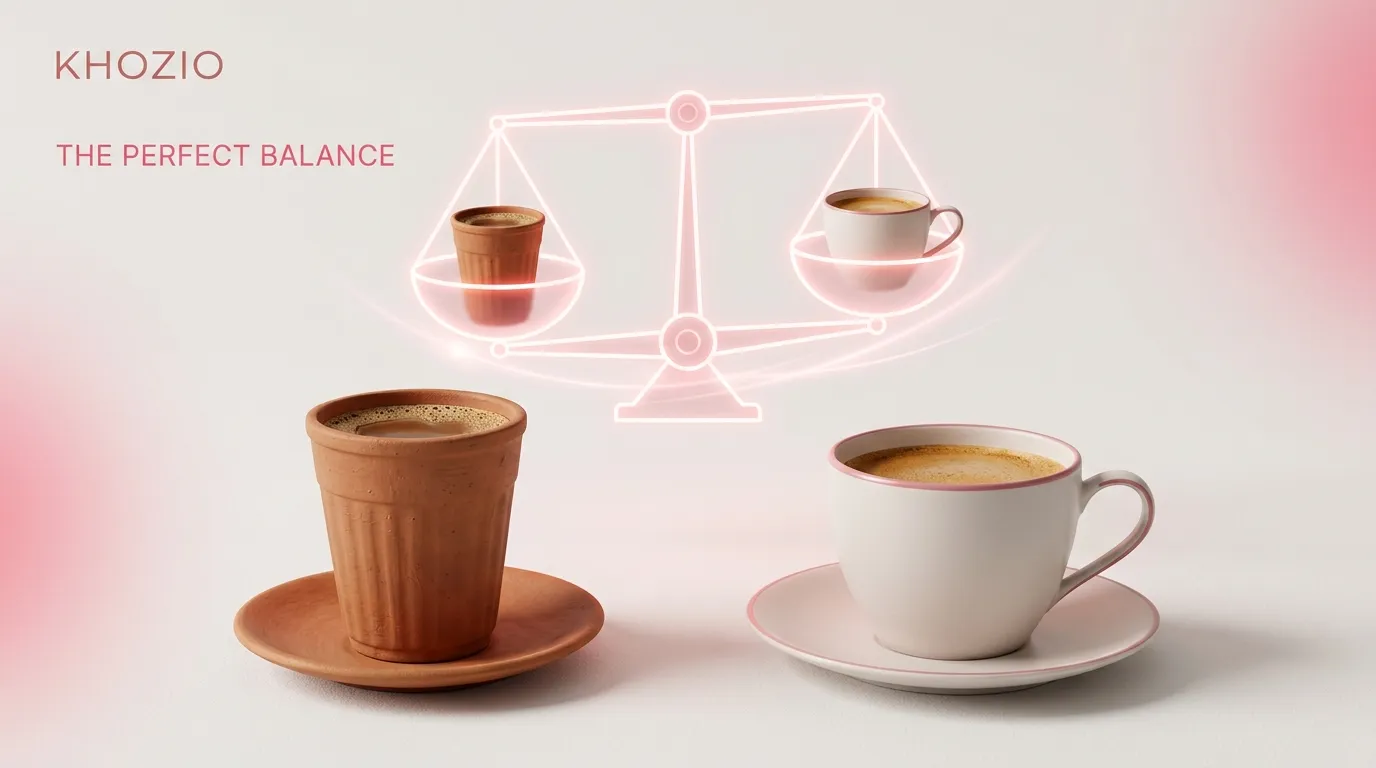
India's relationship with hot beverages is not a simple story. The country has two distinct and serious drink traditions — chai (tea) in various regional forms, and coffee (primarily in the South) — and a newer specialty coffee culture that is emerging in urban centres.
Understanding what makes each genuinely excellent is worthwhile, because finding an actually great cup of chai or filter coffee in India requires knowing what to look for.
Chai: What Makes It Actually Good
Chai in India is not a single thing. The masala chai of Mumbai street stalls is a different preparation from the milky, intensely sweet chai of a highway dhaba in Rajasthan, which is different from the Kashmiri kahwa, which is different from the lemon tea of Darjeeling, which is different from the Irani chai of Hyderabad.
Within what is commonly called "masala chai," quality varies enormously:
The tea. The base tea matters. CTC (cut, tear, curl) tea produces a bold, brisk cup that is the foundation of Mumbai-style chai. Darjeeling leaf tea produces something more delicate. The quality of the tea within these categories varies significantly.
The spice balance. The combination and proportion of spices — ginger being the most essential, typically supplemented by cardamom, sometimes with black pepper, cloves, or cinnamon — determines the character of the cup. The proportion of ginger to other spices, and whether fresh ginger is used versus dried, makes a substantial difference.
The milk. Full-fat fresh milk produces a richer, more satisfying cup than standardised processed milk. The ratio of tea decoction to milk affects the final strength.
The sweetness. Chai culture in India tends toward significant sweetness. The amount of sugar is a genuine variable in quality assessment — some people prefer it less sweet than the local default.
The best chai in India is usually found at small, established stalls and restaurants that have been making it for years, where the proportions have been refined by practice rather than standardised for scale.
South Indian Filter Coffee: A Different Standard
Filter coffee from South India — prepared using a traditional metal filter, typically with Chicory mixed into the coffee, and served with milk that has been boiled rather than just steamed — is a genuinely distinctive preparation that does not resemble any other coffee tradition.
The experience of filter coffee served in a metal tumbler placed inside a larger dabara (to cool it by pouring back and forth) at a traditional South Indian establishment in Chennai, Bengaluru, or Mysore is one of the most distinctive food experiences in India.
What makes filter coffee at an excellent establishment genuinely special: the blend (typically a combination of Arabica and Robusta, often including locally grown Coorg or Chikmagalur coffee), the proportion of chicory (typically 15 to 30 percent, which adds a distinctive body and bitter note), the freshness of the grind, and the quality of the milk.
The experience at a busy South Indian restaurant or filter coffee institution — where the coffee is made and served with practiced efficiency for hundreds of customers — is a different and arguably more interesting experience than a carefully crafted specialty coffee in a quiet, minimalist café.
The Growing Specialty Coffee Culture
India has begun to develop a serious specialty coffee culture in its largest cities — Bangalore, Mumbai, Delhi, Chennai. Roasters and cafes focused on single-origin Indian coffee (primarily from Karnataka) are doing interesting work that is genuinely worth exploring for coffee-curious travellers and residents.
This is not better than filter coffee or chai. It is different — focused on transparency about origin, careful roasting, and precision brewing in a way that highlights the specific character of the bean rather than creating a consistent house style.
For people who are interested in coffee as a subject — its production, processing, and the range of flavours possible — India's emerging specialty coffee scene is worth seeking out.
The recommendations worth following are from people who approach both traditions seriously and can tell you specifically what they found excellent and why. On Khozio, that level of specificity and genuine engagement is what you are looking for in a food recommendation.
Discover what's worth it
Find honest recommendations from real people on Khozio — for places, products, and experiences across India.
Join Khozio Free